Home  /  Buying a Home in Vancouver
Buying a home, Vancouver BC

Buying a home in Vancouver starts with the fit, not the listings.

Buying a home here is usually the largest purchase of your life, and the outcome is shaped long before the first viewing: by the areas you choose, the budget you can prove, and the order you work in. This page walks the whole route in plain order: the fit first conversation, the buying process step by step, what subjects protect, what buying costs in BC, and how the timelines actually run.

Mike Dirks is a licensed realtor with REAL Broker, in practice since 2015, and he helps families buy across Vancouver, North Vancouver, West Vancouver, Richmond, and Burnaby.

Get the free family buyer guide

Prefer to talk first? Book a call with Mike and bring your questions.

Deer Lake with Burnaby Mountain behind it
Deer Lake, with Burnaby Mountain behind it, one of the family pockets Mike helps buyers weigh. Photo by Flying Penguin, CC BY-SA 3.0, via Wikimedia Commons.
Fit first

The search starts with your life, not the listings.

Most buyers open the listings first and fall for a kitchen before they have settled the questions that decide whether the home actually works. Mike reverses that order.

Working as your buyers agent, Mike starts with the fit before the search: the neighbourhoods, home types, and budget that support your life, with schools, commute, and daily rhythm weighed alongside the house itself. Most of his clients are making a family move: a first home, a bigger home, a downsize, or a move across town, and each one starts with that same fit conversation.

Only then does the search begin, grounded in comparable sales rather than asking prices, with a clear offer strategy agreed before the first offer is written and steady guidance through subjects and completion. Clients rate Mike 5.0 on Google across 20 reviews, and he has worked this way since 2015.

Market context

The market you are buying in, September 2026.

Benchmark prices and market pace for the region, from the Greater Vancouver Realtors MLS Home Price Index.

$1,075,900Composite benchmark, a typical home across the region
1,717Homes sold across Greater Vancouver in September 2026
16,394Active listings buyers could choose from that month
10.9 percentSales to active listings ratio, a pace that favours buyers

Source: Greater Vancouver Realtors, September 2026. A benchmark price describes a typical home in each category. The ratio compares homes sold with homes listed across the region that month, and a reading at this level means buyers hold the stronger hand. Choice is only an advantage when you are ready to use it: a proven budget, a short list of areas that fit, and a clean offer strategy are what turn a buyers market into your home.

The process

Buying a home in Vancouver, step by step.

A purchase in BC follows a set order. Knowing the order removes most of the stress, because each step has a job and a timeline you can plan around.

Step one: fit and budget first

Before any listing is opened, settle the life questions: the areas that fit your schools, commute, and daily rhythm, the home types that suit this stage of life, and the budget that is actually comfortable rather than the most a lender might allow. Mike runs this conversation first, and it shapes everything that follows.

Step two: mortgage pre approval

Before you view a single home, get a mortgage pre approval in writing. It confirms your real budget, including the down payment you have saved and the closing costs on top of it, and sellers take your offer more seriously with it in hand. Mike connects you with the documents your lender will ask for so the approval is real, not a guess.

Step three: the search

With the fit and the budget settled, the search narrows to homes that can actually work. Mike watches the listings that match, books and guides the viewings, and reads each home against recent comparable sales, so you know what a fair price looks like before emotion enters the room.

Step four: the offer and your subjects

Your offer is a Contract of Purchase and Sale. It sets the price, your deposit, the dates, and your subjects: the conditions that protect you while you confirm financing, book an inspection, and read the strata documents on a condo or townhome. Mike drafts the offer with you, term by term, and the seller accepts it, declines it, or responds with changes.

Step five: the three business day rescission window

While your subjects run, a second short clock runs beside them. BC gives home buyers a rescission period of three business days after an accepted offer, a cooling off window with a set fee if you walk away. It is a safety net, not a planning tool: the real checking happens through your subjects, and Mike treats the window that way.

Step six: deposit and subject removal

As each subject is satisfied, it is removed in writing, and your deposit is paid on the schedule your contract sets: commonly around 5 percent of the price, paid shortly after acceptance or at subject removal as your offer states. When the last subject is removed, the sale is firm and both sides are committed.

Step seven: completion and possession

On completion day your lawyer or notary registers the transfer, your lender advances the mortgage, and the balance of the price is paid. Possession follows on the date in the contract, most often the same day or a day or two later, when the keys are yours and the move becomes real.

The costs

What it costs to buy a home in BC.

Beyond the price itself, buying carries closing costs that are real but predictable. These are the main ones, in the order most buyers meet them.

Closing costs, in one number

Budget for closing costs on top of your down payment: roughly 1.5 to 3 percent of the purchase price, covering property transfer tax, legal fees, inspection, and adjustments settled between you and the seller at completion. On a purchase of $800,000, that range means roughly $12,000 to $24,000 held ready beyond the down payment itself.

Property transfer tax

Property transfer tax is a provincial tax the buyer pays when the purchase completes, charged on the fair market value of the home. The general rate is 1 percent on the first $200,000 of value, 2 percent on the portion up to $2,000,000, and 3 percent above that, with a further 2 percent on residential value above $3,000,000. On an $800,000 purchase, the tax works out to $14,000, which is why it is usually the largest single closing cost a buyer meets.

Legal, inspection, and adjustments

A lawyer or notary registers your purchase, draws the mortgage documents with your lender, and settles the adjustments: prepaid property taxes, strata fees, and utilities divided between you and the seller as of the completion date. A home inspection before subject removal is the other essential spend, and it is the cheapest insurance in the whole purchase.

First time buyers pay less tax

If this is your first home, BC gives you a full property transfer tax exemption on homes up to $835,000 in fair market value, with a partial exemption up to $860,000, alongside federal programs built for first time buyers. The full picture, with the down payment rules worked through, lives on the first time buyer guide on this site.

Every figure in this section depends on your price, your home, and your agreements, so Mike puts your numbers in writing before you write an offer: the down payment, the tax, and the closing costs for the specific home you are considering, with no surprises left for completion day.

Subjects

Subjects: the conditions that protect you.

Subjects are the reason an accepted offer is not yet a firm sale. They give you a defined window to verify the home and the money before you are fully committed.

A subject is a condition written into your Contract of Purchase and Sale that must be satisfied by a set date, called the subject removal date. While your subjects are in place, you complete your due diligence; if a subject genuinely cannot be satisfied, you may walk away under its terms. When every subject is removed in writing, the sale becomes firm. Mike drafts subjects that match the home in front of you, rather than copying a standard list, and explains what each one protects before you sign.

Financing

Your lender gives final approval on you and on this specific home at this specific price. A pre approval speeds this up, but the property itself is only approved now, which is why this subject stays even for well prepared buyers.

Inspection

A licensed inspector examines the home: structure, roof, moisture, heating, and the systems you cannot judge on a viewing. You receive the report with time to act on it, from accepting the findings to asking the seller about a serious defect.

Strata documents

On a condo or townhome, you read the strata record before you commit: minutes, financial statements, the depreciation report, bylaws, and rules covering rentals, pets, and parking. Mike reads them with you and flags the items that change what the home is worth.

How Mike manages the timeline

Every subject gets a date and an owner the day the offer is accepted. Mike books the inspector and the lender work immediately, tracks each removal date with you, and asks for an extension early if a document runs late, never on the final afternoon. You always know which subjects remain and what each one is waiting on.

Vancouver neighbourhood and marina view
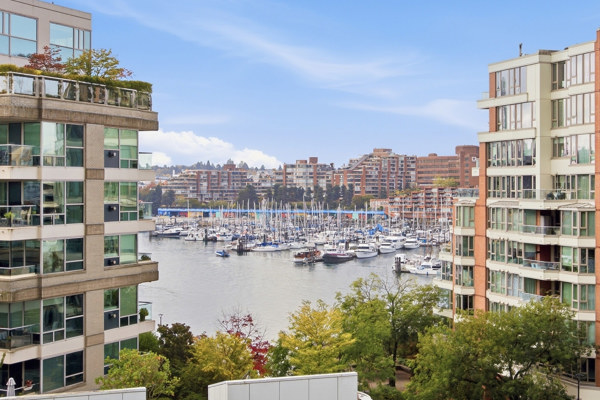
The West Side waterfront, where the village streets meet the water.
The family buyer guide

Start with the free family buyer guide.

The family buyer guide puts the Vancouver buying steps in plain order: costs, subjects, timelines, and the mistakes that cost families money. It is the same route this page walks, written to read at the kitchen table and to bring to your first conversation with Mike.

Ask for it in the form below and Mike prepares and sends it himself. No automated guesses, no pressure, no obligation, and the same form can start a free home value review or the newest listings from your areas instead, if either serves you better today.

Common questions

Buying questions, answered.

What are the steps to buying a home in Vancouver?

The order is steady: a fit and budget conversation first, then a mortgage pre approval in writing, then the search itself. When you find the right home, your offer is written as a Contract of Purchase and Sale with subjects that protect you while you confirm financing, arrange an inspection, and read the strata documents on a condo or townhome. BC also gives you a three business day rescission period after acceptance. When your subjects are removed and your deposit is paid, the sale is firm, and completion and possession follow on the dates in your contract. This page walks each step in order.

How much are closing costs when buying a home in BC?

Budget roughly 1.5 to 3 percent of the purchase price on top of your down payment. The main pieces are property transfer tax, legal or notary fees, a home inspection, and adjustments for items like property taxes and strata fees that are settled between you and the seller at completion. Your exact figure depends on the price and the home, and Mike puts your numbers in writing before you write an offer, so the completion statement holds no surprises.

How does property transfer tax work in BC?

Property transfer tax is a provincial tax the buyer pays when the purchase completes, charged on the fair market value of the home. The general rate is 1 percent on the first $200,000 of value, 2 percent on the portion up to $2,000,000, and 3 percent above that, with a further 2 percent on residential value above $3,000,000. On an $800,000 purchase the tax works out to $14,000. First time buyers can erase some or all of it through the provincial exemption, which is covered on the first time buyer page of this site.

What are subjects in a BC real estate offer?

Subjects are conditions written into your offer that must be satisfied before the sale becomes firm. The common ones protect your financing, your home inspection, and your reading of the strata documents on a condo or townhome, and they can also cover insurance or the sale of your current home. Each subject carries a removal date. If a subject cannot be satisfied, you can walk away under its terms; once every subject is removed in writing, you are committed and the sale is firm.

What is the three business day rescission period?

BC gives home buyers a rescission period of three business days after an accepted offer, a short cooling off window that sits alongside your subjects. If you change your mind inside that window, you may cancel the contract, and a set fee applies when you do. The window is short, so Mike treats it as a safety net rather than a decision period: the real work of checking the home still happens through your subjects, with their own longer timelines.

How much deposit do I need, and when do I pay it?

A deposit is commonly around 5 percent of the purchase price. Your contract sets the exact amount and the day it is due, paid shortly after acceptance or at subject removal as your offer states. The deposit is credited to you at completion as part of the purchase price. It is separate from your down payment, although for most buyers it simply forms the first piece of it.

Do I pay my buyers agent in Vancouver?

For buyers, the seller typically pays the commission through the listing agreement, so working with a buyers agent usually costs nothing out of pocket. The arrangement is confirmed in writing before you write an offer, so you know exactly how your agent is paid before you commit to anything. Mike explains the full picture in the first conversation, including what happens on the rare listing that offers different terms.

How long does buying a home in Vancouver take, from offer to keys?

Your contract sets the exact dates, and Mike builds them around your move. A typical purchase allows about a week for subjects, sometimes a little longer on a strata home with many documents to read, and completion often lands a few weeks after subject removal, with possession on the completion date or a day or two after. If you are selling a home at the same time, the dates on both contracts are planned together so the two moves line up.

Free and genuinely useful

Start with something valuable.

Pick one. Mike prepares each one personally and sends it himself. No automated guesses, no pressure, no obligation.

Your details go only to Mike. No spam, no sharing, ever.

Buying in Vancouver? Start with the fit conversation.

Whether the move is this season or next year, a short call or the free family buyer guide will show you the order to work in, the numbers to hold ready, and whether the fit with Mike is right, with no pressure and no obligation.

Call or text 778 997 1890, email dirksrealestate@gmail.com, or book a call at a time that suits you.

Mike works across Vancouver, North Vancouver, West Vancouver, Richmond, and Burnaby, and also serves buyers in Coquitlam and Port Moody.

Call Mike Email Mike